Parametric Climate Underwriting
When the data triggers, the wire goes out.
Parametric climate coverage that pays within 72 hours — no adjuster, no dispute. Weather-station data is the verdict.
SPI-3 Drought Index — 18-Month Reading
Policy terms defined upfront: location, crop type or asset class, coverage window, and trigger threshold calibrated to your historical exposure.
NOAA Co-op station data and PRISM gridded climatology stream continuously against your agreed threshold. No human judgment required — the index runs.
SPI-3 crosses threshold. Automated settlement confirmed. Wire transfer initiated within 72 hours. No adjuster visit, no claims filing, no dispute process.
This is how a payout triggers.
NOAA Coop Station #098765
30-Day SPI-3 — Trigger Band Active
Synthetic demonstration using PRISM methodology. Real policy triggers reference agreed station data.
Coverage
Two coverage tracks. One trigger mechanism.
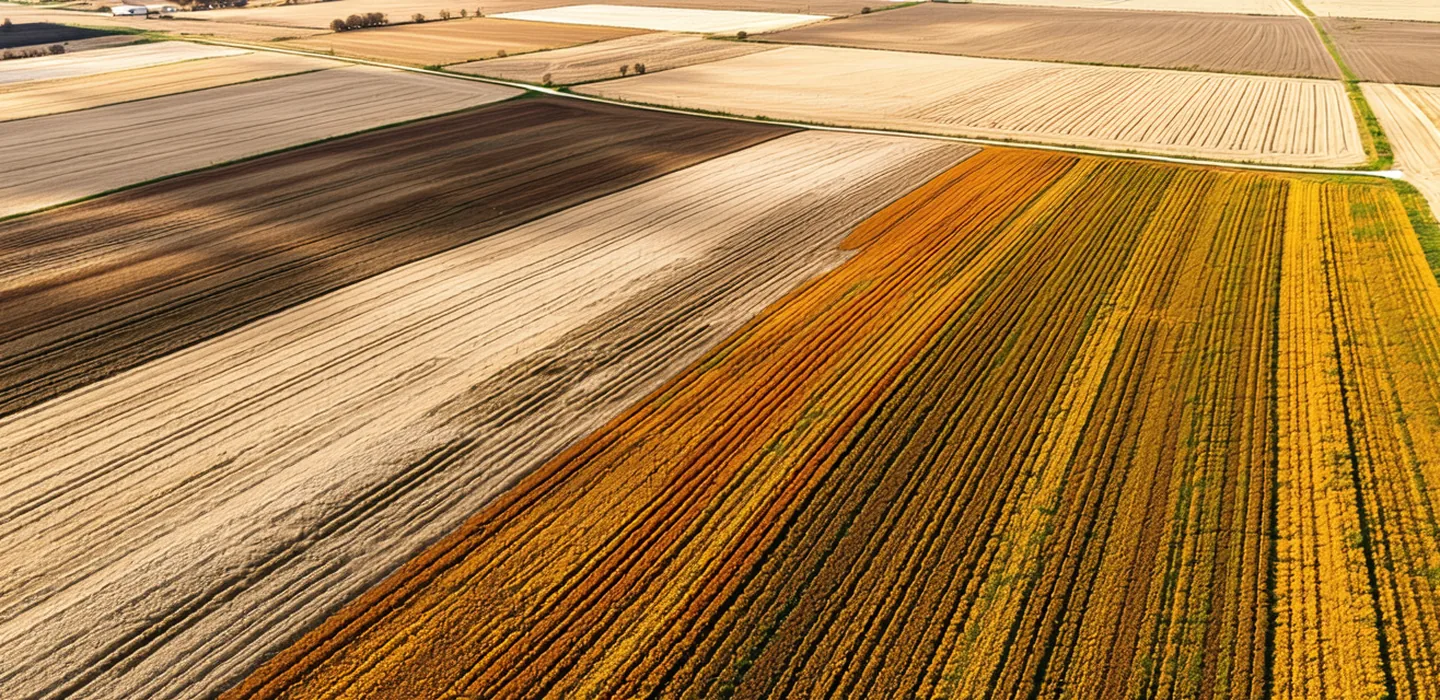
SPI-3 and precipitation deficit triggers for row crops, specialty crops, and forage operations.
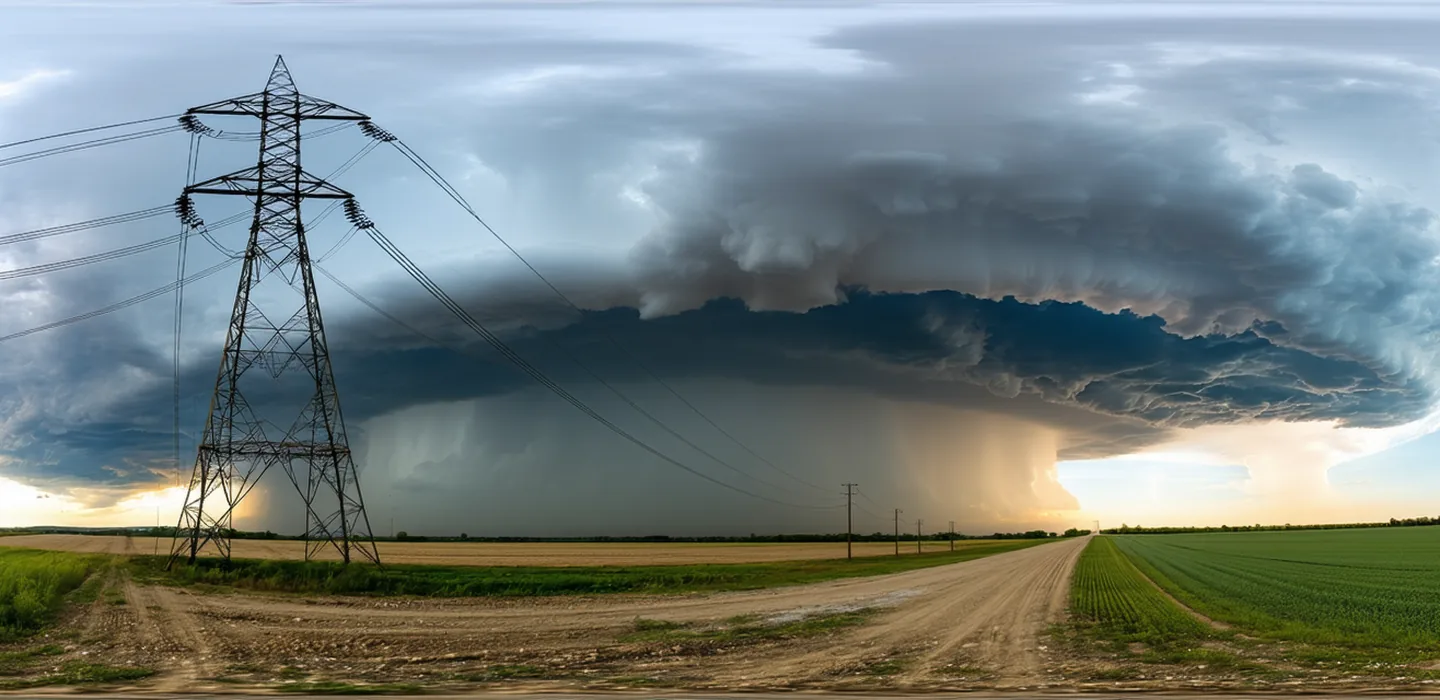
Sustained wind, CDD excess, and flash flood triggers for energy, transport, and utility assets.
The case for parametric.
Once a trigger threshold is confirmed by station data, settlement initiates automatically. No waiting for adjuster availability or dispute resolution cycles.
The policy specifies the index, the station, and the threshold. When data crosses the line, payout follows by contract — not by negotiation.
From SPI-3 drought indices to maximum sustained wind speed, we underwrite against the full spectrum of measurable climate extremes that threaten your assets.
Underwritten on verifiable data.
Riskwright policies reference the NOAA Cooperative Observer Network — 8,700+ ground stations providing century-scale weather records with legally defensible, publicly archived data streams.
Precipitation and temperature indices draw on PRISM Climate Group's gridded climatological datasets, resolving at 800-meter spatial resolution to accurately capture local micro-climate conditions that coarser models miss.
Drought triggers use the Standardized Precipitation Index (SPI-3), calculated over 3-month accumulation windows against station-specific historical distributions — a methodology endorsed by the World Meteorological Organization as the primary drought monitoring standard.
NOAA Co-op Station Coverage
Client signals.
After back-to-back drought years, we needed coverage that paid when the data said drought — not when an adjuster agreed. The SPI-3 trigger fired on August 14th. The wire arrived on the 16th. That was the first time in two drought seasons we didn't have to wait out a claims process to plant the next year.
1,800-acre grain cooperative, South Georgia
We bound the policy in April with a 55 mph sustained wind threshold on our Savannah-area ASOS reference station. September brought exactly the event we'd designed against. Settlement confirmation came 41 hours after trigger. The traditional property claim took another four months.
65 MW solar PV operator, Southeast Atlantic Coast