From the Underwriting & Meteorology Teams
Climate Risk Intelligence
Drought index methodology, trigger design guides, Southeast US weather data analysis, and the technical case for parametric coverage — written by the people who underwrite it.
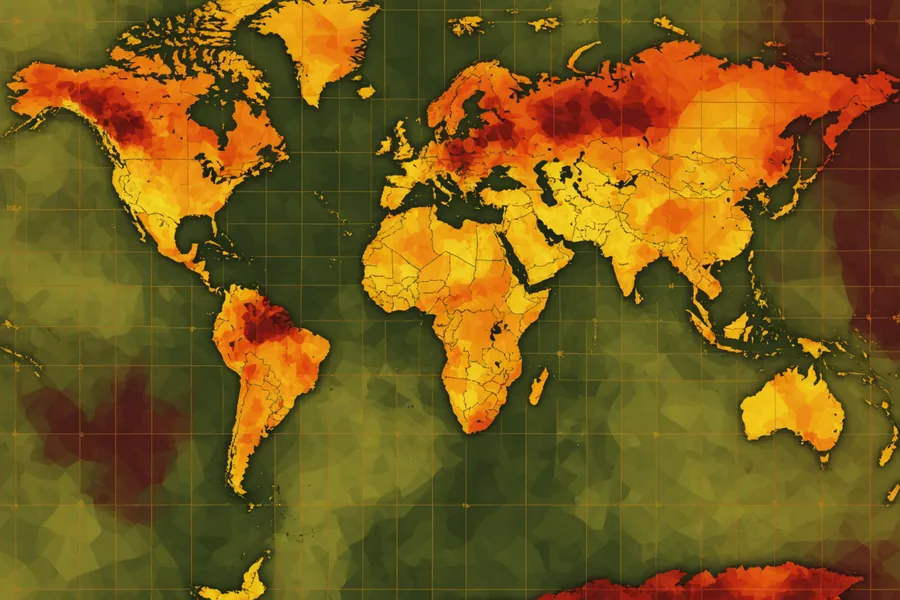
How the Standardized Precipitation Index over 3-month windows became the WMO standard for drought monitoring — and why it anchors most of our agricultural trigger designs.

A plain-language walkthrough of what happens between trigger event confirmation and wire transfer — and why the timeline is structural, not aspirational.
Adjuster-based indemnity insurance and SPI-indexed parametric coverage are not competing products — they serve different functions in an operation's risk stack.

Sustained wind versus peak gust: why the distinction matters for solar farms versus transmission infrastructure, and how Beaufort scale thresholds translate to NOAA ASOS station readings.
From exposure scoping to threshold backtesting — the five analytical stages that define how Riskwright calibrates a policy trigger for a new client.
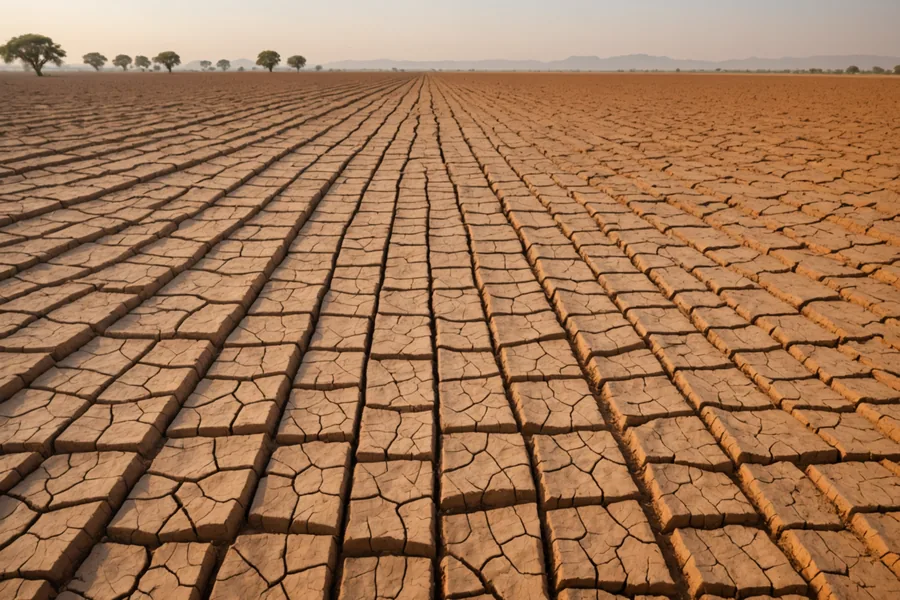
The 2024 growing season produced the third-most-severe SPI-3 anomaly in the Piedmont corridor since 1990. What the data shows and what it means for 2025 coverage design.

A running FAQ on parametric insurance for agricultural and infrastructure operators — basis risk, trigger design, stacking with traditional coverage, and regulatory classification.

The honest tradeoff at the center of parametric insurance. Basis risk exists — here's what it is, how large it actually is in our Southeast agricultural portfolio, and the design choices that reduce it.
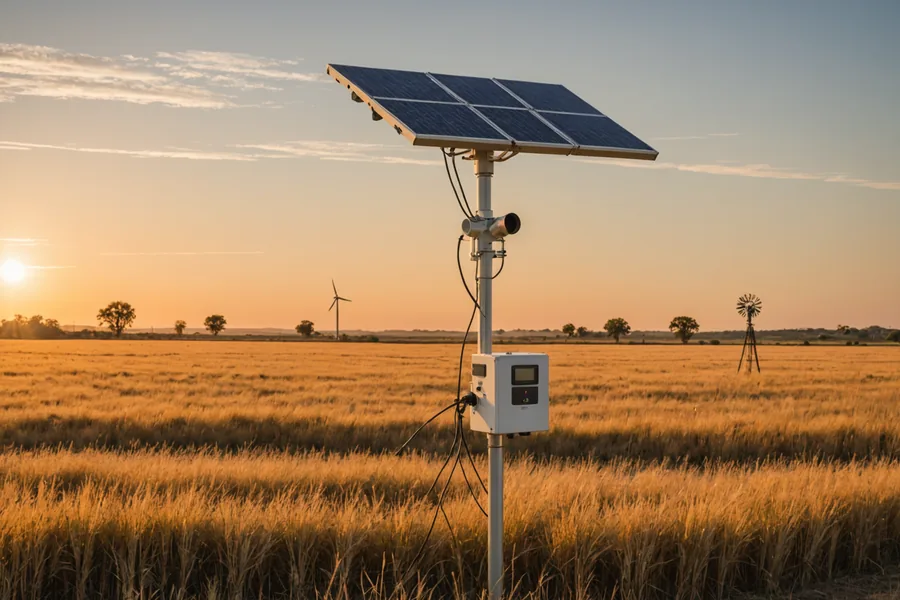
8,700 stations sounds like comprehensive coverage — but what matters is how many are within 15 miles of your asset, and how long their records run. Station density maps and implications for trigger design.
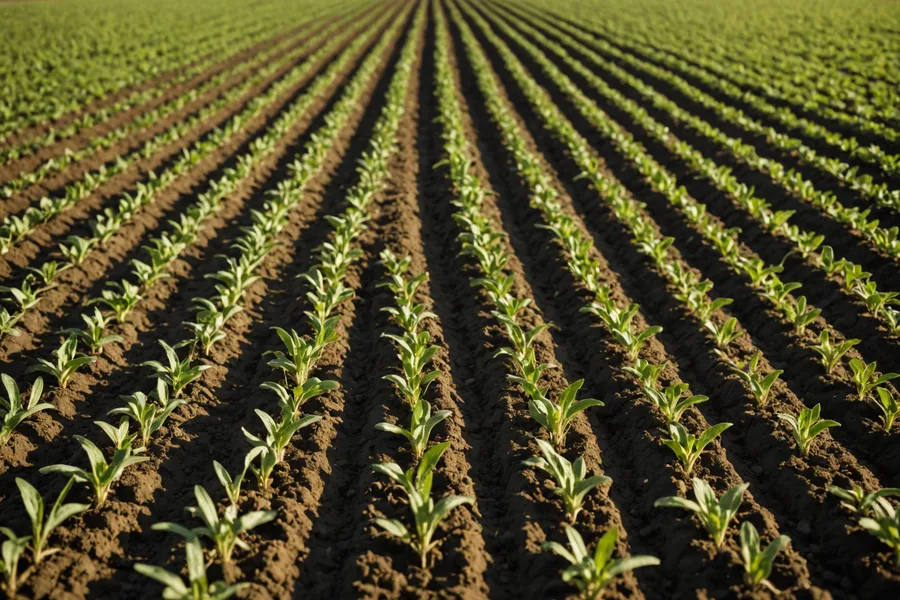
How to think about coverage windows, trigger metrics, and policy limits for row-crop operations — a step-by-step guide for agricultural risk managers.
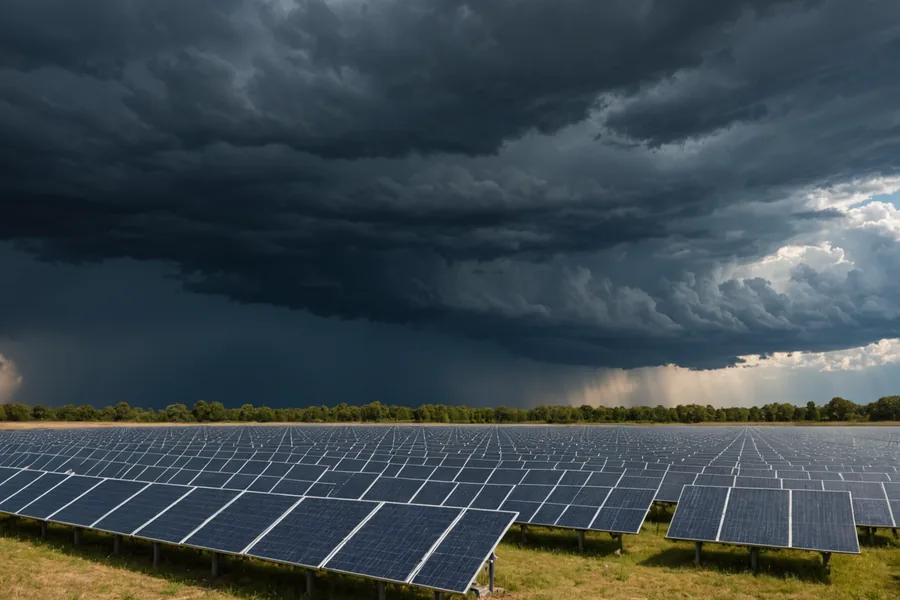
What June 1st means for infrastructure operators in the Southeast. How to design wind-speed parametric coverage in advance of hurricane season, and what the binding timeline looks like.
A technical walkthrough of threshold selection — percentile analysis, historical back-testing methodology, and the basis risk tradeoffs between sensitive and conservative threshold design.